

STD Treatment at PULSE Clinic in Bangkok, Pattaya, Phuket, Chiang Mai & Koh Samui (Thailand)
5359
Expert STD treatment at PULSE Clinic in Bangkok, Pattaya, Phuket, Chiang Mai & Koh Samui. Confidential care, advanced testing & personalized plans.

STD Treatment at PULSE Clinic in Bangkok, Pattaya, Phuket, Chiang Mai & Koh Samui
Sexually transmitted diseases (STDs) are a common concern for many people worldwide, yet there is often a lack of awareness regarding their treatment options. PULSE Clinic offers a safe, discreet, and professional environment for those seeking treatment for STDs. With a focus on patient-centered care, the clinic provides state-of-the-art services and expert guidance to address the needs of those affected by STDs. PULSE Clinic Thailand offers confidential STD treatment for local and tourists with English speaking staff, including HIV treatment, antibiotics for gonorrhea and chlamydia, syphilis penicillin injection, and treatment for HPV and genital herpes.
How Much Does STD Treatment Cost in Thailand?
The cost of STD treatment in Thailand can vary depending on the infection, as different infections require different approaches and medications. Below is the price list for STI treatment Thailand at PULSE Clinic (Thailand).
| Treatment for | Price for Treatment with Antibiotic Tablets/Capsules (starts from) | Price for Antibiotics Injection (starts from) |
| Chlamydia (Serovar A-K) | 350 THB | - |
| Gonorrhea | - | 1450 THB |
| Primary Syphilis | - | 1500 THB* |
| Secondary Syphilis | - | 1500 THB* |
| Latent Syphilis | - | 4500 THB* |
| Chancroid | - | 1450 THB |
| Mycoplasma genitalium | 2100 THB* | - |
| Mycoplasma hominis | 830 THB | - |
| Ureaplasma urealyticum | 830 THB | - |
| Ureaplasma parvum | 830 THB | - |
| Herpes type 1 (HSV-1) | 1260 THB** | - |
| Herpes type 2 (HSV-2) | 600 THB** | - |
| Suppression Therapy of Herpes | 3600 THB/month** | |
| LGV - Chlamydia (Serovar L1-L3) | 1050 THB | - |
- Prices are in Thai Baht
- *Treatment depends on the medical doctor's diagnosis due to the timeline and progression of the disease and the patient's history of allergy.
- Patients should have a proper consultation with a licensed medical doctor before starting treatment.
- Patients who received a doctor consultation before laboratory testing do not have to pay the doctor for a prescription if/when the results come back positive for STDs.
- Patients who get tested with PULSExpress service at PULSE CLINIC, Doctor fee 800THB will be charged for antibiotics prescription. PULSE CLINIC can deliver medication to patient's hotel/apartment with normal delivery fee.
- For patients who did not get tested at PULSE CLINIC, a doctor's fee of 800 THB is applied for the prescription of antibiotics.
- Please do not buy medication over the counter, you might receive the wrong treatment, which will lead to drug-resistant infections.
- Prices are subject to change without notice
Book Your STD Consultation Appointment Today!

Contact us at info.bkk@pulse-clinic.com or chat on your preferred platform:



Understanding STDs
Sexually transmitted diseases encompass a wide range of infections that are passed from one person to another through sexual contact. Common STDs include chlamydia, gonorrhea, syphilis, herpes, human papillomavirus (HPV), and HIV. Some STDs show no symptoms, which makes regular testing an essential part of maintaining sexual health.
While some STDs can be treated with medication, others may require ongoing management. Regardless of the severity, early detection and treatment are key to preventing long-term health complications.
What STDs Can Be Treated in Thailand?
Sexually transmitted infections (STIs/STDs) are categorized into two primary groups: curable (completely eliminated from the body) and treatable/manageable (chronic conditions where symptoms or the virus are controlled with medication).
Curable STIs are predominantly bacterial and parasitic in nature. These infections can typically be eradicated using antibiotics or antiparasitic medications.
Examples of Curable STDs
- Chlamydia: Treated and cured with oral antibiotics
- Gonorrhea: Treated with combination oral antibiotics.
- Syphilis: Cured using penicillin injections, which are tailored to the stage of the infection.
Examples of Incurable but Manageable STDs
- Herpes: Treated with oral antiviral medications can be used to treat the virus, speeding up healing, reducing symptom severity, and lowering the risk of transmission. However, they do not cure the underlying virus. It can either be treated only when needed or with daily suppressive therapy.
- HIV: Currently, there’s no cure for HIV, but we have an incredibly effective regimen that can manage the symptoms of the infection. Modern treatment can suppress the virus to such an extent that it becomes undetectable and poses no harm to the body. Medications like Biktarvy can provide you with a long and healthy life, requiring only one pill per day.
Common STDs in Thailand
Awareness is key in preventing sexually transmitted diseases (STDs), and understanding the most common infections in Bangkok can help people take steps to protect their sexual health.
- Chlamydia: Known as the “silent infection,” chlamydia often has no symptoms, making it one of the most common STDs in Bangkok. Many people don’t realize they are infected, so regular screenings are important, especially for sexually active young adults.
- Gonorrhea: Like chlamydia, gonorrhea may not show symptoms but can lead to serious health problems, including infertility, if left untreated. The rise of antibiotic-resistant strains makes it even more important to seek treatment at the first sign of infection.
- Syphilis: This bacterial infection is becoming more common in Bangkok. It progresses through stages, with the early stage showing a painless sore and later stages causing severe symptoms. Regular testing is crucial, especially for those with multiple sexual partners.
- HIV/AIDS: Bangkok has one of the highest HIV infection rates in Southeast Asia. Despite treatment advances, stigma and misinformation still limit effective public health efforts. Access to testing and antiretroviral therapy is essential, and ongoing awareness campaigns aim to reduce transmission rates.
- Herpes Simplex Virus (HSV): Both HSV-1 and HSV-2 are common in Bangkok. Many people with herpes don’t experience symptoms, though outbreaks can be painful. Open communication with sexual partners and regular health check-ups help manage the condition.
- Human Papillomavirus (HPV): HPV is the most widespread sexually transmitted infection globally, and many people in Bangkok are unaware of its link to certain cancers. Vaccination against HPV is recommended, especially for young people before they become sexually active.
- Hepatitis B and C: Hepatitis B and C are concerns in Bangkok, particularly for those involved in high-risk behaviors. Vaccination for Hepatitis B is recommended, while screening for Hepatitis C is essential for those with possible exposure.
By staying informed and getting regular check-ups, you can better protect your health and prevent the spread of STDs.
How Does STD Treatment Work?
STD treatment is just a normal visit to a doctor. The process is simple and there is nothing you have to worry about.
Step 1 — Medical Consultation and Symptom Assessment
You will be in a consultation with a qualified healthcare professional for STD treatment. In this step, you would discuss your symptoms, recent sexual activity, and potential exposure to STIs for proper assessment and treatment recommendations.
Step 2 — STI Testing and Diagnosis
STI testing helps identify the infection and determine the most appropriate treatment. The tests you need will depend on your symptoms, sexual history, potential exposure, and the infections being investigated.
Common STI sample collection include:
- Blood tests: Used to screen for infections such as HIV, syphilis, and hepatitis B.
- Urine tests: Commonly used to detect chlamydia and gonorrhea.
- Swab tests: Samples from the throat, rectum, vagina, or genital area may be needed depending on the type of sexual contact and suspected infection.
Common STI testing methods include:
- PCR tests: Molecular tests that can detect the genetic material of certain pathogens, including chlamydia and gonorrhea.
- Rapid tests: Surface protein test that detect body's reaction to the infection that may indicate an infection.
Not everyone needs every test. Your doctor can recommend an appropriate testing panel based on your individual circumstances. Keep in mind that some infections may not be detectable immediately after exposure, so repeat testing may be necessary. Some tests may require you to wait for the results. Contact our clinic for availability of same-day and next-day results.
If you have symptoms or a known exposure, a doctor may recommend starting treatment before all results are available when clinically appropriate.
Step 3 — Treatment Prescribed by a Doctor
Once an STI is identified, your doctor will recommend treatment based on the infection, its severity, your medical history, and current guidelines.
Treatment varies. Bacterial STIs like chlamydia and syphilis are usually cured with antibiotics. Gonorrhea also requires antibiotics, chosen based on current recommendations and resistance patterns.
Other infections require different approaches. Genital herpes is managed with antiviral medication, while HIV is treated with ongoing antiretroviral therapy. HPV treatment focuses on managing genital warts or abnormal tissue changes.
Always follow your doctor’s instructions and complete the prescribed treatment. Avoid taking leftover antibiotics, sharing medication, or purchasing treatment based solely on symptoms, as this can lead to ineffective treatment or antibiotic resistance.
Step 4 — Follow-Up Testing and Partner Notification
Completing treatment doesn’t always mean no further care is needed. Your doctor may recommend follow-up testing to confirm treatment, check for reinfection, or monitor your health.
Follow-up testing is crucial for gonorrhea, chlamydia, and syphilis. People on HIV treatment need ongoing monitoring, while other infections may require additional evaluation based on symptoms and treatment response.
Discuss partner notification with your healthcare professional. Recent sexual partners may need STI testing and treatment even without symptoms. Informing partners helps prevent reinfection and reduces transmission.
Until it’s safe to resume sexual activity, follow your doctor’s advice to abstain from sex. The recommended period varies by infection and treatment. Condoms and other prevention methods can reduce future STI risk.
Consider discussing regular STI screening, HIV PrEP, or other prevention options with your doctor if you’re at ongoing risk. These steps protect your health and your partners’.
At PULSE Clinic in Thailand, patients can consult healthcare professionals about their sexual health concerns, discuss appropriate testing, and explore suitable treatment options.
Getting Tested is The First Step for STD Treatment
PCR 14 | Multiplex DNA Test for 14 infections. Our STD PCR Multiplex is an advanced test that detects 14 infections in various locations, including Gonorrhoea, Chlamydia, Syphilis, Chancroid, LGV, HSV-1, HSV-2, Trichomonas, Mycoplasma, Ureaplasma, CMV, and VZV. It can identify infections in the throat, oral cavity, urethra, anorectal area, vagina, cervix, sperm, and skin lesions.

| PCR for 14 Infections (STD Multiplex) | Online results | |||
| Same day | Next day | 3 days | 7 days | |
| Throat | 7,200 THB | 6,990 THB | 4,990 THB | 4,690 THB |
| Urine | ||||
| Anal Swab | ||||
| Vaginal Swab | ||||
| Cervical Swab | ||||
| Skin Lesion Swab | ||||
| Sperm | 7,890 THB | 7,250 THB | 5,490 THB | 5,050 THB |
| Pooled Swab | 9,400 THB | 8,600 THB | 8,290 THB | 7,750 THB |
*Same-day results are only available when the sample was taken at the clinic before noon (12 PM).
**Same-day and next-day results are only available at the Bangkok, Pattaya, and Phuket branches.
Add us on Line and stay in touch.
Effective Treatment for STDs at PULSE Clinic
At PULSE Clinic, treatment plans for STDs are personalized to meet the individual needs of each patient. The clinic offers a variety of treatments, including:
- Antibiotics: For bacterial infections like chlamydia, gonorrhea, and syphilis, antibiotics are often the primary form of treatment. PULSE Clinic’s experienced medical professionals ensure that the right antibiotic is prescribed, depending on the specific infection.
- Antiviral Medications: Some STDs, such as herpes, are viral and cannot be fully cured. However, antiviral STD medication can help manage symptoms, reduce outbreaks, and lower the risk of transmission. PULSE Clinic’s healthcare providers work closely with patients to find the most effective antiviral treatment.
- Vaccines: For preventable viral infections like HPV, vaccines are available. Vaccination is a proactive measure that can reduce the risk of contracting certain strains of HPV that are linked to cancers, such as cervical cancer.
- Ongoing Support and Education: In addition to medical treatment, PULSE Clinic offers counseling and education about safe sexual practices, how to protect partners, and how to reduce the risk of reinfection. Emotional support is also an essential part of the treatment process, especially for those dealing with the psychological aspects of an STD diagnosis.
STD Symptoms That May Require Treatment or Medical Attention
Unusual genital discharge
Unusual genital or vaginal discharge doesn’t always indicate a sexually transmitted disease (STD), but it’s a common symptom that can be caused by infections, hormonal changes, or irritation in the reproductive or urinary tract.
Some discharges are normal. Normal discharge is clear, milky white, or off-white, mostly odorless (or with a mild, natural scent), and ranges from sticky or creamy to slippery and wet.
However, discharges are not normal when they change color, thickness, or amount. They also develop a strong, foul, or fishy smell, accompanied by itching, burning, swelling, or pain during urination or sex, and are mixed with blood or occur with lower abdominal/pelvic pain. These need medical attention as soon as possible as it could be signs that something is wrong.
These unusual discharges are usually caused by yeast infection (thrush), bacterial vaginosis (BV), trichomoniasis, chlamydia, gonorrhea, or irritations caused by harsh soaps, detergents, douching, or a retained foreign object.
Burning or pain during urination
Burning or pain during urination, known as dysuria, is most commonly caused by a urinary tract infection (UTI) or bladder inflammation (cystitis). This occurs when bacteria enter the urinary tract and inflame the bladder or urethra. Common infections that lead to this include chlamydia, gonorrhea, genital herpes, yeast infections, vaginitis in women, and prostatitis in men. Occasionally, the burning sensation or pain during urination can be attributed to scented soaps, tight clothing, or chemical washes.
If you experience burning during urination accompanied by warning signs such as fever, chills, lower back or side pain, vomiting, or blood in your urine, it is crucial to seek immediate medical attention. On the other hand, if you have mild symptoms without those signs, you should schedule a doctor’s visit if the symptoms do not go away on their own after 24 to 48 hours.
Genital sores, blisters, or ulcers
Genital sores, blisters, and ulcers are common symptoms of several sexually transmitted infections (STIs). These can manifest as painful, fluid-filled blisters (vesicles) that eventually burst into shallow, open sores or ulcers.
Sores are typically indicative of Genital Herpes (HSV-1 and HSV-2), Syphilis, Chancroid, and Lymphogranuloma Venereum (LGV). Since sores and ulcers can often be painless, individuals may overlook them. If left untreated, they can progress to rashes and other systemic complications. You should seek medical attention or visit a sexual health clinic as soon as you notice any genital blister, sore, or unusual skin change. Early evaluation is crucial because accurate testing, such as a swab taken from the fresh blister, helps identify the cause and initiate appropriate treatment. The only way you can be sure about the cause of these sores and blisters is getting it tested.
Genital warts
Genital warts are small, flesh-colored, gray, or cauliflower-like growths caused by strains of the human papillomavirus (HPV). These bumps can be single or clustered and may appear flat, raised, or resemble tiny cauliflowers. They can cause itching, burning, tenderness, irritation, or mild bleeding during or after sexual intercourse. HPV primarily spreads through skin-to-skin contact during vaginal, anal, or oral sex. Even if you never develop visible warts, you can still carry and transmit HPV.
A healthcare provider or sexual health clinic can visually confirm the diagnosis. Treatment options include Cryotherapy (freezing with liquid nitrogen) or Trichloroacetic acid. These treatments remove visible warts and manage symptoms, but the underlying HPV virus may persist in the body. For long-term protection, we recommend getting HPV vaccines to prevent further infections from other strains of HPV.
Skin rashes
Sexually transmitted infections (STIs) can cause various skin rashes, bumps, or sores, depending on the underlying cause. These rashes can be caused by infections like genital herpes, syphilis, HPV, gonorrhea, or even HIV. It’s crucial not to self-diagnose rashes; many STI rashes resemble common non-STD skin conditions such as eczema, contact dermatitis, or fungal infections. An accurate diagnosis requires a physical examination, targeted swabs, blood tests, or lab work. Additionally, many infections are asymptomatic in the early stages, making routine screening essential if you have new sexual partners or experience symptoms.
Rectal pain, discharge, or bleeding
Common signs of proctitis (inflammation of the rectum lining) or an anorectal sexually transmitted infection (STI) include rectal pain, discharge, mucus, or bleeding. These infections can be transmitted through receptive anal sex and may cause mild or no symptoms in many cases. Possible STIs include Chlamydia, Gonorrhea, Herpes, Syphilis, and LGV, especially if you’re the receptive end of anal sex (bottoming).
Rectal pain and bleeding can also result from non-infectious conditions such as hemorrhoids, anal fissures, or other foodborne/gastrointestinal infections. If you experience rectal bleeding that lasts for more than a few days, recurs frequently, is heavy, or is accompanied by severe pain, dizziness, or changes in your bowel habits, it’s important to consult a doctor.
Many sexually transmitted infections (STIs) cause no symptoms, but you can still transmit the infection to your sexual partners. Regular testing is crucial, even when you feel healthy, to prevent the development of symptoms and potential long-term health complications.
Confidentiality and Supportive Care
One of the most important aspects of STD treatment at PULSE Clinic is the emphasis on patient confidentiality. Many people hesitate to seek treatment for STDs due to the stigma surrounding them. At PULSE Clinic, patients can rest assured that their privacy is respected, and all consultations and treatments are handled discreetly.
Furthermore, the clinic’s healthcare professionals are compassionate and nonjudgmental. They understand the emotional and physical impact of an STD diagnosis and are committed to providing holistic care. Patients are encouraged to ask questions and voice concerns, ensuring that they feel supported every step of the way.
Prevention and Education
In addition to treatment, PULSE Clinic is dedicated to raising awareness about STD prevention. The clinic offers educational resources on topics such as safe sex practices, the importance of regular testing, and how to communicate with sexual partners about STDs.
Patients can also access counseling services to discuss any relationship concerns, including how to manage sexual health within relationships and prevent the spread of STDs.
Can Tourists Get STD Treatment in Thailand?
Can foreigners get STI treatment without Thai residency?
Yes. Foreigners, whether you are visiting or are an expat living in Thailand, can get STI treatment at PULSE Clinic without Thai residency.
Are English-speaking doctors available?
Yes. PULSE Clinic offers services both testing and treating STD in English and other 10 languages. Contact our clinic for more information about other languages other than Thai and English for availability.
Can I get treatment during a short visit?
Yes. We offer treatment to everyone who needs it, whether you are just passing by Bangkok for a few days before going somewhere else. This depends on your diagnosis, as some infections may require another visit with the doctor. PULSE Clinic has branches all over Thailand and overseas branches in Singapore, Malaysia, the Philippines, and Hong Kong. Contact us for more information about continued treatment across branches.
PULSE Clinic provides same-day appointments, same-day test results, and same-day prescriptions (if required). This allows you to complete all necessary procedures in a single visit whenever possible.
Can I access confidential STI care while traveling?
Yes, all our services are confidential. This means your health information will be kept private and only used for the services you need. We won’t share your information with third parties or government officials.
Is STD Treatment in Thailand Confidential?
STD treatment and testing at PULSE Clinic are strictly confidential. We specialize in sexual health and have treated over 100,000 patients. We do not share your diagnosis, test results, or visit details with employers, hotels, family members, or embassies without your explicit consent. PULSE handles your records independently, so routine visits or treatments do not automatically appear on public immigration databases, passport records, or visa applications unless required by specific official legal procedures with your consent.
Can You Buy STD Medication Without a Prescription in Thailand?
We can give you the medication you need, with a prescription. Self-diagnosis and self-medication with antibiotics can lead to incorrect treatment, antibiotic resistance, and unsuccessful outcomes. Therefore, we recommend seeking a proper medical evaluation and obtaining the appropriate medication under professional guidance based on the diagnosis. PULSE offers same-day testing and treating so you can get everything done in one visit.
What Should You Do After STD Treatment?
Follow the complete treatment instructions provided by our doctor. Adhere to the prescribed medication regimen. During the recommended period, refrain from sexual activity. It is advisable to inform sexual partners when advised and arrange for partner testing or treatment. Additionally, we recommend that you undergo follow-up tests to ensure that the infection has been eradicated.
After completing your treatment, we suggest that you establish a comprehensive HIV prevention plan. This may include starting PrEP for future STD prevention, using condoms and other appropriate prevention methods to minimize the risk of future infections.
Get HIV PrEP (Pre-Exposure Prophylaxis) at PULSE Clinic
We also offer PrEP (Pre-Exposure Prophylaxis) medication, a highly effective way to prevent HIV transmission during sexual activity. Studies show that when taken daily, PrEP can reduce the risk of HIV infection by up to 99%. The clinic provides easy access to this service through consultations, prescriptions, and the option to purchase PrEP online. They emphasize a personalized approach to HIV prevention and offer further support for those seeking comprehensive sexual health care.
Each Type of PrEP Medication


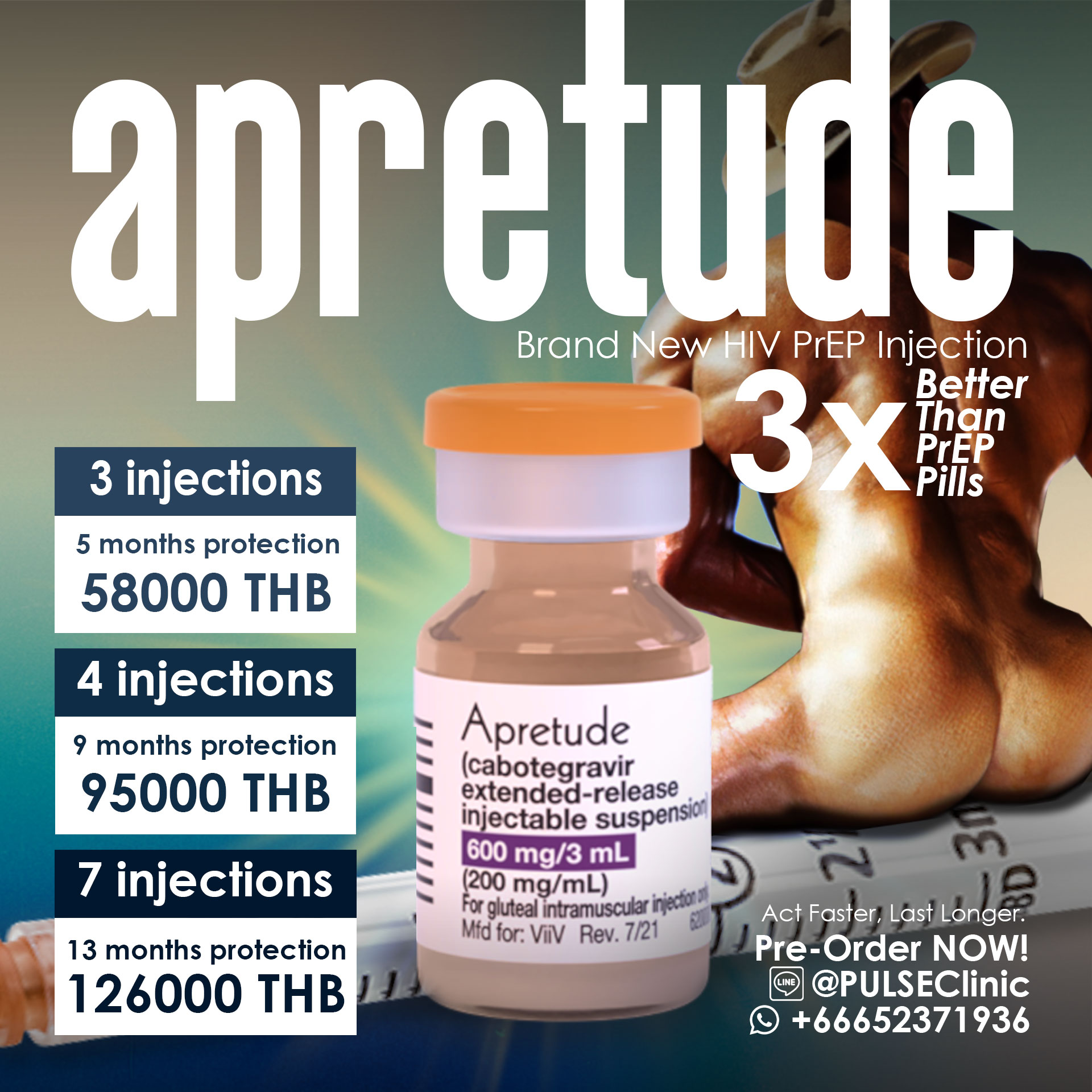
Pre-Order Apretude At PULSE Clinic (Thailand)
PULSE Clinic offers Apretude, the first injectable form of HIV PrEP, which provides a convenient alternative to daily pills. This method is quick, easy, and discreet, providing effective protection against HIV for both men and women. The clinic provides access to this service in Bangkok, offering personalized care for those seeking modern HIV prevention.

Conclusion
PULSE Clinic stands out for its commitment to providing high-quality, confidential, and compassionate care to individuals seeking treatment for STDs. Whether you’re experiencing symptoms, need a routine check-up, or require ongoing management of a sexually transmitted infection, PULSE Clinic is dedicated to helping you maintain optimal sexual health. With a combination of advanced testing, personalized treatment, and supportive education, PULSE Clinic ensures that you receive the care you need in a comfortable and safe environment.
Where Can I Get STD Treatment in Thailand?
PULSE Clinics offer STD treatment and other sexual health services at any of their branches. You can book an appointment for a shorter wait time or walk-in at a nearby clinic for a consultation and the service you need. PULSE Clinic Thailand have many branches located in Bangkok, Pattaya, Chiang Mai, Phuket, and even on Koh Samui!
Frequently Asked Questions About STD Treatment in Thailand
How much does STD treatment cost in Thailand?
The cost of STD treatment in Thailand depends on the infection, consultation fees, diagnostic tests, medication, and any follow-up appointments required. Some patients may only need a consultation and targeted treatment, while others may require comprehensive STI testing or additional laboratory investigations. Contact PULSE Clinic for an estimated prie before your appointment.
Can I get STD treatment in Bangkok on the same day?
Yes, same-day STD consultations and treatment may be available at all PULSE Clinic branches. If you have symptoms or a known exposure, a doctor can assess your condition and determine whether treatment should begin immediately or whether testing is needed first. Some infections can be treated following a clinical assessment, but laboratory results and certain medications may require additional time. Contact the clinic in advance to confirm appointment availability and services.
Can tourists get STD treatment in Thailand?
Yes, tourists can seek STD testing and treatment in Thailand at PULSE Clinic. You generally do not need to be a Thai resident to consult a private clinic or hospital, although identification and registration requirements may vary by provider. International visitors can seek medical advice for symptoms, possible STI exposure, or routine screening. If you are traveling soon, tell your doctor so they can plan any necessary follow-up care.
Can I get STD treatment without symptoms?
Yes. You can seek STI testing and treatment even if you have no symptoms. Many sexually transmitted infections, including chlamydia, gonorrhea, and HIV, may cause no noticeable symptoms during early infection or at other stages. If you have had a potential exposure or a sexual partner has tested positive, a doctor can recommend appropriate tests based on the infection and time since exposure. Treatment may be recommended if an infection is confirmed or if your clinical circumstances warrant presumptive treatment.
What STDs can be cured with antibiotics?
Many bacterial and parasitic sexually transmitted infections can be cured with appropriate medication. Examples include chlamydia, syphilis, gonorrhea, and trichomoniasis, although treatment differs by infection and gonorrhea requires particular attention to antibiotic resistance. Viral infections such as HIV and genital herpes cannot currently be cured with standard medication, but they can be managed with effective treatments. HPV may clear naturally, while treatments are available for genital warts and related abnormal tissue changes.
Can I buy STD medication over the counter in Thailand?
Medication access in Thailand varies depending on the drug, and some medicines may be available from pharmacies under different dispensing requirements. However, it is not advisable to self-treat a suspected STI without a proper assessment. Different infections can cause similar symptoms but require different treatments, and inappropriate antibiotic use can contribute to resistance or delay the correct diagnosis. Consult a qualified healthcare professional to determine which medication is appropriate for your condition.
How long does STD treatment take to work?
The time needed for STD treatment to work depends on the infection, the medication prescribed, and your individual response. Some bacterial infections are treated with a single dose or a short course of medication, while others require longer treatment or follow-up care. Symptoms may take several days or longer to improve, and symptom relief does not always mean the infection has cleared. Follow your doctor's instructions about when to resume sexual activity and whether repeat testing is necessary.
Can I have sex after STD treatment?
You may need to avoid vaginal, anal, and oral sex for a period after starting or completing treatment, depending on the infection. For chlamydia and gonorrhea, patients are generally advised to wait seven days after the recommended treatment and ensure that their sexual partners have also been treated before resuming sexual activity. Syphilis and other STIs may require different precautions. Follow your doctor's advice, as resuming sex too early can lead to transmission or reinfection.
Do my sexual partners need treatment too?
Your sexual partners may need testing and treatment if you are diagnosed with an STI. This is particularly important for infections such as chlamydia, gonorrhea, and syphilis, where untreated partners can transmit the infection back to you or to other people. Your doctor can advise which partners should be notified, what testing they need, and whether treatment should begin before their results are available. Avoid sexual contact until you and your partners have followed the recommended treatment guidance.
Do I need an STD test after treatment?
Sometimes. The need for follow-up testing depends on the infection, treatment received, pregnancy status, and risk of reinfection. For example, a test of cure is recommended in certain cases of gonorrhea, including throat infections, and for chlamydia during pregnancy. Routine retesting is also recommended after treatment for chlamydia and gonorrhea, commonly at around three months, because reinfection is relatively common. Syphilis requires follow-up blood tests to monitor the response to treatment. Your doctor can advise the appropriate schedule and avoid testing too early, when residual genetic material may affect some results.
What should I do if I think I have an STD but my test is negative?
A negative STI test does not always rule out an infection. You may have tested during the window period, used a test that did not cover the suspected infection, or provided a sample from a site that was not exposed. If you continue to have symptoms or believe you have had a significant exposure, consult a healthcare professional about repeat testing, additional tests, or other possible causes of your symptoms. If a potential HIV exposure occurred within the past 72 hours, seek urgent medical advice about HIV post-exposure prophylaxis (PEP) rather than waiting for another test.
Can I get treatment for chlamydia or gonorrhea in Thailand?
Yes. Chlamydia and gonorrhea can be diagnosed and treated at PULSE Clinic. Doctors may recommend urine tests or swabs from the genital area, throat, or rectum, depending on your sexual exposure and symptoms. Both infections are generally treatable with appropriate antibiotics, but gonorrhea treatment must account for increasing antibiotic resistance. Avoid taking antibiotics without medical guidance, and make sure recent sexual partners receive appropriate advice and treatment to help prevent reinfection.
Where can foreigners get an English-speaking STI consultation in Thailand?
Foreign visitors and expats are welcome at PULSE Clinic. We offer English-speaking medical consultations. PULSE Clinic provides sexual health services in Thailand, including STI-related consultations and testing. Before booking, confirm that the branch offers the specific tests or treatments you need and ask about consultation fees, appointment availability, and follow-up arrangements. An English-speaking healthcare professional can help you understand your results and treatment instructions more clearly.
Can I get HIV treatment or PrEP in Thailand?
Yes. HIV treatment and pre-exposure prophylaxis (PrEP) are available through healthcare providers in Thailand, subject to clinical assessment and service availability.
- HIV treatment: People diagnosed with HIV can access antiretroviral therapy (ART), which suppresses the virus and helps protect long-term health. Ongoing monitoring and regular medication are essential.
- HIV PrEP: PrEP is medication taken by HIV-negative people to reduce their risk of acquiring HIV. It requires an HIV test before starting and appropriate follow-up monitoring.
- HIV PEP: If you may have been exposed to HIV recently, PEP may prevent infection when started as soon as possible and no later than 72 hours after exposure. It is generally taken for 28 days.
A healthcare professional can help determine which option is appropriate for your circumstances. If you are visiting Thailand, discuss medication availability and follow-up arrangements before traveling.
Add us on Line and stay in touch.