

Poly Drug Use: Understanding the Risks of ‘Mixing Drugs’
2826
It is always safer not to use drugs at all and each person will react differently based on personal factors (physical and mental health)


Poly Drug Use: Understanding the Risks
Uncertainty of Drug Contents
Unpredictability of Drug Contents: The contents of drugs are often unknown, making it challenging to determine accurate dosages, predict effects, or understand interactions. This uncertainty, especially with high-strength drugs like MDMA, underscores the need for caution and the implementation of harm reduction strategies.
Risks of Common Drug Combinations
Reducing Harm
If you choose to use drugs:
- Limit the number of drugs per session.
- Control your dosage.
- Regulate your frequency of use.
Mixing Same-Type Drugs
Stimulant + Stimulant: ‘Uppers’ like cocaine, MDMA, amphetamines, Ritalin, and crystal meth speed up the central nervous system, increasing energy but also risks. Combining them can lead to overstimulation, increased heart rate, blood pressure, temperature, anxiety, panic, or overdose. There’s also a heightened risk of serotonin syndrome, a dangerous condition where the body has too much serotonin.
| Combination | Effects |
|---|---|
| Stimulant + Stimulant | Overstimulation, increased heart rate, blood pressure, temperature, anxiety, panic, overdose, serotonin syndrome |
| Stimulant + Depressant | Extra strain on the body, overconsumption |
| Cocaine + Alcohol | Produces cocaethylene, strains organs, prolongs effects, masks intoxication levels |
| MDMA + Cocaine | Heightened stimulant effects, increased anxiety or panic |
| Ketamine + Alcohol | Impaired coordination, excessive consumption |
| GHB + Depressants | Overdose, death, risk of vomiting, choking |
| Methamphetamine + Cocaine | Increased heart effects, heightened anxiety or panic |
| Nitrous Oxide + Alcohol/Stimulants | Amplified effects on blood pressure and heart rate |
Depressant + Depressant: ‘Downers’ like alcohol, opioids (heroin, methadone, tramadol, codeine), GHB, and benzodiazepines (Xanax, Valium) slow down the central nervous system. Using them together can significantly slow down bodily functions, leading to an increased risk of overdose.
Mixing Different Types of Drugs
Stimulant + Depressant: Combining stimulants with depressants puts extra strain on the body. For example, using alcohol with MDMA can mask the effects, leading to overconsumption.
Alcohol + Other Substances: Alcohol increases risks with most substances, including prescription medications. Consult your pharmacist about alcohol interactions with your medications. Alcohol can mask the effects of stimulants, leading to higher consumption and increased internal effects on the body.
Cocaine + Alcohol: This combination produces cocaethylene, a toxic chemical that strains organs like the liver and heart. It prolongs cocaine’s effects and takes longer to leave the system, masking intoxication levels.
MDMA Combinations
MDMA + Antidepressants: Limited scientific evidence makes MDMA’s interaction with prescription drugs uncertain. Many antidepressants enhance serotonergic activity, increasing the risk of serotonin syndrome when used with MDMA. Symptoms include rigid movements, muscle pain, shaking, confusion, shivering, overheating, and a fast heartbeat. Some antidepressants may suppress the MDMA high, leading to increased consumption.
MDMA + Cocaine: This mix may heighten stimulant effects but also unpredictably increase anxiety or panic.
MDMA + Amphetamine: Combined use can lead to overstimulation, and higher doses increase risks.
Ketamine Combinations
Ketamine + Alcohol: This mix can impair coordination, leading to excessive consumption without realizing it.
Ketamine + Cocaine: Known as ‘CK’, this mix can strain the body and produce unpredictable effects. A review of UK deaths in 2008 linked such combinations to increased mortality.
GHB/GBL Combinations
GHB + Depressants: Combining GHB with alcohol, benzodiazepines, or other sedatives can easily lead to overdose or death. GHB should only be mixed with water or soft drinks. There’s a risk of vomiting, leading to choking if unconscious. Always place the person in the recovery position and contact emergency services.
GHB + Stimulants: This mix may increase unwanted side effects like paranoia, hallucinations, aggression, and overdose. Stimulants may mask GHB’s effects, leading to excessive consumption.
Methamphetamine Combinations
Methamphetamine + Cocaine: This mix increases heart effects and can heighten anxiety or panic.
Methamphetamine + Mephedrone: This combination may raise the risk of serotonin syndrome.
Nitrous Oxide
When combined with alcohol or stimulants, nitrous oxide may have amplified effects on blood pressure and heart rate.
When should the test be done?
The test can be performed at any time.
Add us on Line and stay in touch.
Buy Drug Test Kit at PULSE Clinic

Order Urine Multi-Drug Test 7in1 today!
For more information and the ordering process, please contact us at pulseliving@pulse-clinic.com or chat with us on your preferred platform.
 +66-84-226-2569
  @pulserx
  PulseClinic
How to perform the test
- Carefully remove the cassette from the foil pouch (only open the pouch when you're ready to begin the test).
- Collect a urine sample from the person being tested using a plastic cup.
- Remove the protective cap from the bottom of the test to expose the absorbent testing strip. Avoid touching the strip, and keep the protective cap.
- Submerge the testing strip into the urine sample, ensuring that the urine doesn’t touch the plastic casing. Let the test absorb the urine for 10–15 seconds. You'll notice the urine moving up the strip.
- After 15 seconds, remove the test from the urine and replace the protective cap.
- Place the test on a clean, flat surface while the test lines develop.
- Negative results can be read as soon as they appear, but positive results should be read after at least 5 minutes. All results should be reviewed within 10 minutes to avoid inaccurate readings.
Results
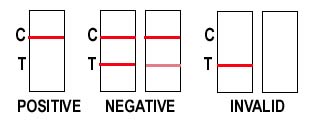
Each drug has its own test strip, and the results for each strip should be evaluated individually. On the cassette, you will see two letters next to the strips: 'C' for the control band and 'T' for the test band. A pink line should appear in the control band (C) for each drug tested, confirming the test is functioning properly. If no line appears in the control band, the test did not work correctly, and another test may be needed. A second pink line, even if faint, in the test band (T) indicates a negative result. If no line appears in the test band (T), the result is positive for that specific drug.
Which drugs can a urine test detect?
A urine drug test can identify a variety of substances, including:
- Alcohol
- Amphetamines
- Barbiturates
- Benzodiazepines
- Cocaine
- Cannabis
- Methamphetamine
- Opioids
- Phencyclidine (PCP)
Urine tests can also detect nicotine and cotinine, which the body produces when breaking down nicotine.
While a urine test can reveal the presence of alcohol, if authorities suspect excessive drinking, they are more likely to request a breath or blood test instead.
Detection times
| Drug | Detection times after use |
| alcohol | 7–12 hours |
| amphetamines | 2–3 days |
| short-acting benzodiazepines | 3–5 days |
| long-acting benzodiazepines | up to 30 days |
| buprenorphine | up to 11 days |
| cocaine metabolites | 2–4 days |
| codeine | 1–2 days |
| fentanyl | 2–3 days |
| heroin or morphine | 1–3 days |
| methadone | 3–4 days |
| oxycodone | 1–3 days |
Several factors can influence how long a drug remains detectable in a urine test, including:
- The person’s body mass
- Hydration levels
- The acidity of the urine
- The timing of the drug use
In general, the more frequent and heavier the drug use, the longer it will remain detectable in the system. Below, we provide typical detection times for various substances.
How to prepare for a urine test
The preparation for the test is minimal. Typically, a person simply needs to urinate into a plastic container and then return the sample to the technician or doctor. They will check the temperature of the urine to ensure it is appropriate for testing, then seal it in a plastic bag. If the sample cannot be delivered to a medical professional within one hour, it should be stored in a refrigerator after being sealed in a plastic bag.
A technician may accompany the individual to ensure the sample is provided correctly and should explain the reason for this supervision. The person should inform the test provider if they are taking any:
- Prescription medications
- Over-the-counter medications
- Herbal remedies
- Supplements
Summary
A urine drug screen is a quick and efficient way to detect certain illegal and prescription drugs. This type of test may be requested by doctors, sports officials, or employers for various purposes. It can identify a range of substances, such as cannabis, nicotine, barbiturates, and opioids like heroin and methadone. Some substances stay detectable in the body longer than others. If the initial test result is positive, a more accurate follow-up test may be required.
If you have any symptoms or would like to speak with a doctor, please contact us and book your appointment today!

Contact us at info.bkk@pulse-clinic.com or chat on your preferred platform:
Chat with PULSE CLINIC ONLINE Department
Loading...
Clinic Locations
Loading...