
8 Foods to Increase Sperm Production and 5 to Avoid
6993
Discover 8 foods that may support sperm production and 5 foods to limit for better sperm health, nutrition, and male fertility.



8 Foods to Help Increase Sperm Count and Support Sperm Health
Male infertility, or difficulty conceiving due to factors affecting the male reproductive system, can be difficult for anyone hoping to start or grow a family. It can have many possible causes, and a low sperm count is one of the factors that may affect fertility.
Some men explore supplements such as D-aspartic acid to support sperm production, although research on their effectiveness remains mixed. A more fundamental place to start is your everyday diet. A balanced, nutrient-rich diet provides the vitamins, minerals, healthy fats, and antioxidants the body needs for normal reproductive function and may support healthy sperm production and semen quality over time.
This can be particularly useful for men with fertility concerns or anyone who wants to support their reproductive health. So, which foods may be worth adding to your diet? Here's what current research suggests.
Sperm Analysis Price List
*Prices are in Thai Baht (THB)
| Laboratory Testing | Same Day Result | Next Day Result | 3-Day Result |
| Sperm Analysis (Sperm Count) | 3,500 | 2,200 | 1,400 |
| Sperm Analysis and 14 STD tests for IVF (Sperm count and sperm STD Test with PCR technology, the most advanced technology to detect infections) | 13,500 | 11,200 | 9,400 |
| Sperm Analysis and 28 STD tests for IVF (Sperm count and sperm STD Test with PCR technology, the most advanced technology to detect infections) | 23,500 | 20,200 | 18,400 |
Take Control of Your Fertility Today!

Contact us at info.bkk@pulse-clinic.com or chat on your preferred platform:



8 Foods That May Support Sperm Count and Sperm Health
1. Salmon and Sardines

Omega-3 fatty acids are important components of sperm cell membranes and have been studied for their potential relationship with sperm motility and semen quality. Fatty fish such as salmon and sardines are among the richest dietary sources of omega-3s.
Including oily fish as part of a balanced diet can help provide these essential fats along with high-quality protein and other important nutrients. However, eating fish should be viewed as part of an overall healthy dietary pattern rather than a guaranteed way to increase sperm count.
2. Oysters

Oysters are particularly rich in nutrients such as zinc, vitamin B12, selenium, and vitamin D, which are involved in normal cellular and reproductive function.
Zinc is especially important for normal reproductive health, while selenium has antioxidant properties that help protect cells from oxidative stress. Although these nutrients have been studied in relation to sperm health, eating oysters has not been proven to directly increase sperm count.
3. Walnuts
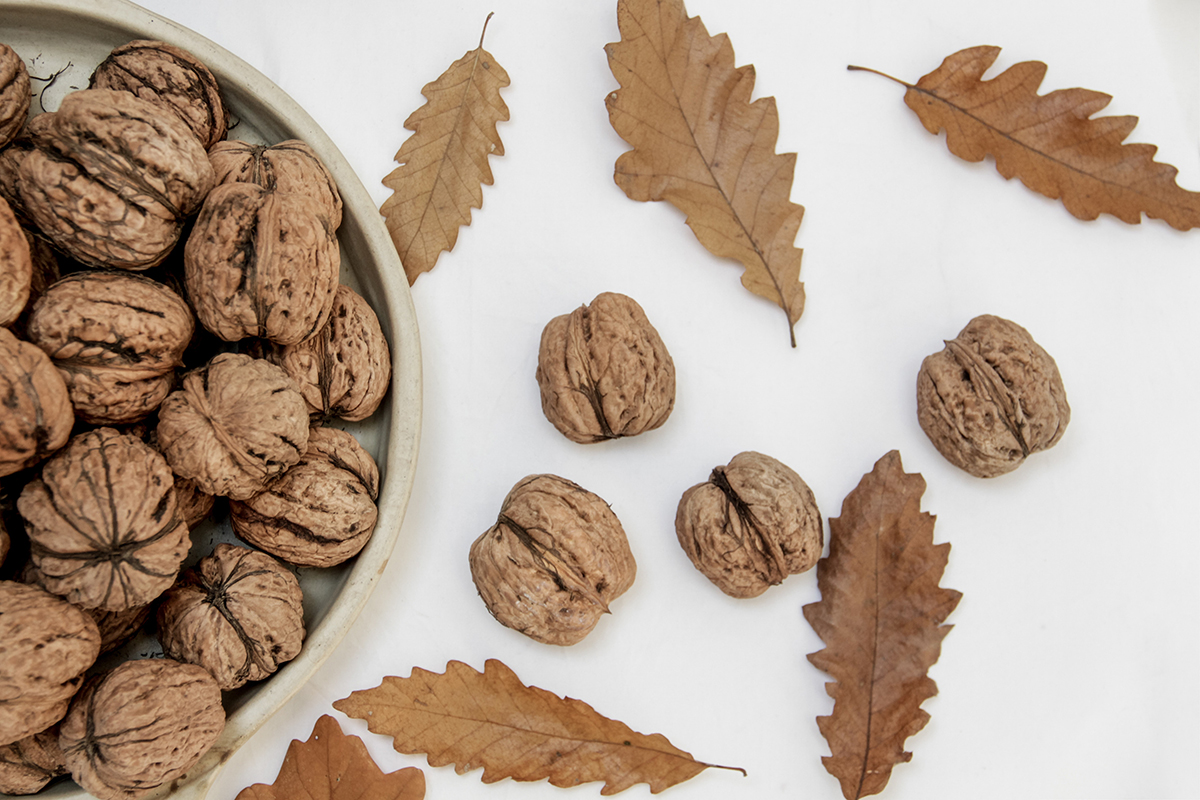
Walnuts provide omega-3 fatty acids, folate, zinc, and antioxidants. These nutrients are involved in normal cellular function and have been investigated for their potential role in sperm health.
Some research has explored whether regular walnut consumption may affect semen parameters, including sperm concentration, motility, and morphology. While the findings are interesting, walnuts should be considered part of a balanced diet rather than a standalone treatment for male infertility.
4. Beef

Beef provides several nutrients involved in normal reproductive and cellular function, including zinc, selenium, vitamin B12, and L-carnitine.
L-carnitine has been studied separately as a supplement for male fertility, with some research suggesting potential benefits for sperm motility. However, evidence remains mixed, and eating beef should not be considered equivalent to taking an L-carnitine supplement.
If you eat red meat, choosing moderate portions and balancing it with fish, poultry, legumes, vegetables, and other protein sources can help support an overall healthy diet.
5. Liver

Liver is highly nutrient-dense and provides vitamin B12, folate, iron, and other nutrients involved in normal cellular function. Some of these nutrients have also been investigated in relation to reproductive health.
However, liver is particularly high in preformed vitamin A. For this reason, it is best consumed in moderation rather than in large or frequent portions.
6. Brazil Nuts

Brazil nuts are one of the richest dietary sources of selenium. Selenium is an antioxidant mineral that helps protect cells from oxidative stress and plays a role in normal reproductive function.
However, selenium content can vary considerably between individual Brazil nuts. Eating large quantities regularly is therefore unnecessary and may result in excessive selenium intake. A small amount as part of a varied diet is a more sensible approach.
Other sources of selenium include fish, seafood, meat, eggs, and dairy products.
7. Tomatoes
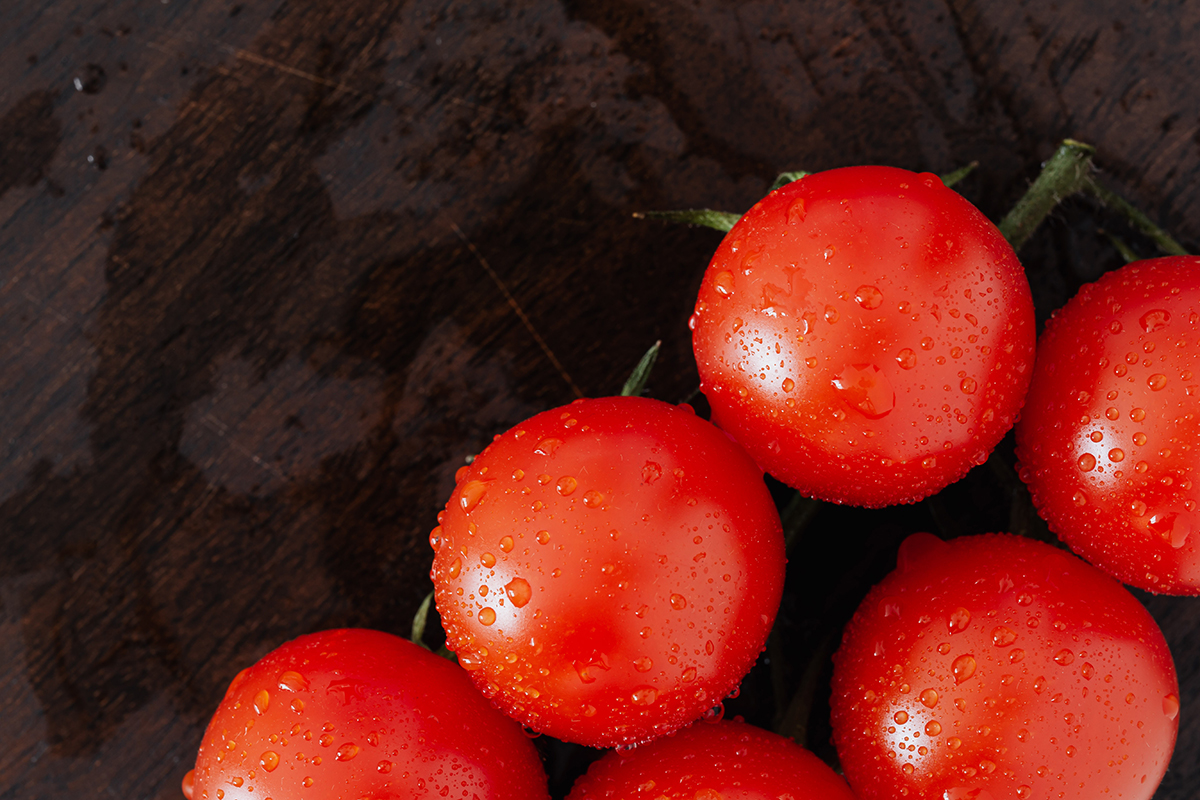
Tomatoes are rich in lycopene and vitamin C, both of which have antioxidant properties. Lycopene has been studied for its potential effects on semen parameters, with some research reporting improvements in sperm concentration or motility.
However, the evidence remains limited, and eating tomatoes should not be presented as a proven treatment for low sperm count. Including tomatoes regularly as part of a diet rich in vegetables and fruit is a practical way to increase your intake of beneficial plant nutrients.
Tomatoes can be eaten fresh in salads or cooked into sauces and other dishes.
8. Berries
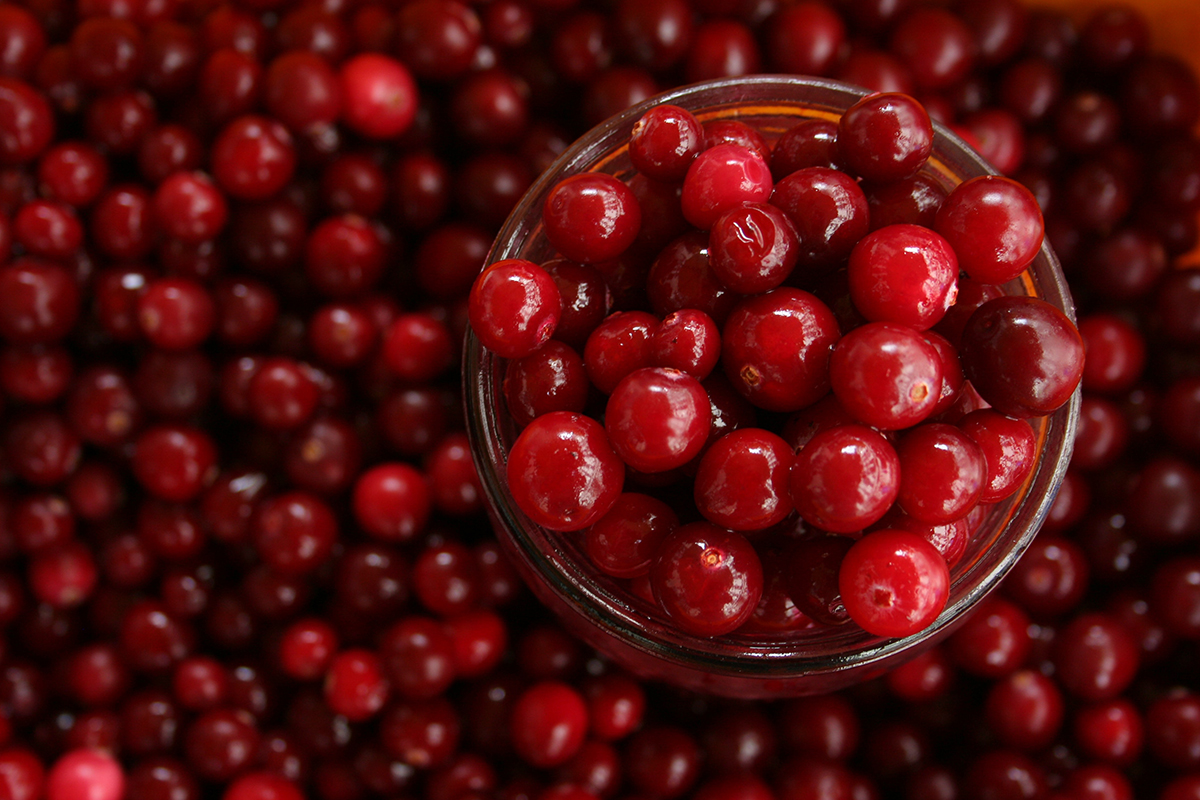
Berries such as strawberries, blueberries, and raspberries provide antioxidants, fibre, vitamins, and other plant compounds that contribute to a balanced diet.
Oxidative stress has been investigated as one of several factors that may affect sperm health, which is why antioxidant-rich foods are often included in discussions about male fertility. However, there is not enough evidence to say that eating berries directly increases sperm count.
Adding a variety of colourful fruits and vegetables to your diet is a sensible way to support overall nutritional health.
Add us on Line and stay in touch.
5 Foods to Limit for Better Sperm Health
Rather than avoiding particular foods completely, it is generally more practical to focus on moderation and an overall balanced dietary pattern. Some research has associated higher intake of certain foods or dietary patterns with poorer semen parameters.
1. Soy Products
Soy foods contain isoflavones, naturally occurring plant compounds with oestrogen-like activity. Some studies have investigated whether high soy intake may affect sperm concentration or other semen parameters, but findings have been inconsistent.
There is currently not enough evidence to conclude that normal amounts of soy in the diet reduce male fertility. If you eat soy, products such as tofu, tempeh, and edamame can still form part of a balanced diet.
2. Processed Meat
Higher consumption of processed meats, such as sausages, bacon, and other cured or processed products, has been associated in some observational studies with poorer semen parameters.
The reasons for these associations are not fully established, and diet is only one factor affecting fertility. Limiting processed meat while choosing a wider variety of protein sources is a reasonable approach for overall health.
3. Alcohol
Heavy or frequent alcohol consumption has been associated with changes in reproductive hormones and poorer sperm parameters in some studies.
If you're trying to conceive, reducing alcohol intake is a sensible part of a broader healthy lifestyle. Men with concerns about fertility may wish to discuss their alcohol consumption with a healthcare professional.
4. Foods High in Trans Fats
Higher intake of trans fats has been associated with lower sperm concentration in some research.
Trans fats are found mainly in some highly processed and commercially prepared foods. Checking food labels and choosing foods based on unsaturated fats, such as nuts, seeds, oily fish, and plant oils, can help support a healthier overall dietary pattern.
5. High-Fat Dairy Products
Some studies have reported associations between higher consumption of full-fat dairy products and poorer semen parameters. However, findings have not been consistent, and dairy products also provide important nutrients such as protein, calcium, and vitamin B12.
Rather than eliminating dairy, consider eating it in moderation and choosing a varied range of nutrient-rich foods.
Overall, moderation is generally more realistic — and more sustainable — than total avoidance.
How Long Before Diet Changes Make a Difference?
Sperm production and maturation take roughly 2–3 months. As a result, it may take at least three months of consistent dietary and lifestyle changes before their potential effects can be assessed through a follow-up semen analysis.
Keep in mind that sperm count and semen quality can be affected by many factors beyond diet, so changes in nutrition do not guarantee an improvement in fertility.
Frequently Asked Questions
Can diet alone fix a low sperm count?
For some men, improving diet and addressing nutritional deficiencies may support healthier sperm production. However, low sperm count can also result from infections, hormonal imbalances, varicocele, genetic conditions, medications, or other medical factors. Diet is therefore best viewed as one part of a broader approach rather than a standalone treatment.
How soon will I see results from changing my diet?
Sperm production and maturation take roughly 2–3 months, so allow at least three months of consistent dietary and lifestyle changes before assessing their potential effect with a follow-up semen analysis.
Is it safe to take supplements such as D-aspartic acid?
Research on D-aspartic acid for male fertility is mixed, with some studies reporting potential benefits and others finding little or no improvement in reproductive outcomes. It should not be considered a proven treatment for low sperm count. Speak with a doctor before starting fertility supplements, particularly if you take other medicines or have an existing health condition.
Should I get a semen analysis before making dietary changes?
It can be useful. A baseline semen analysis provides information about sperm concentration, motility, and morphology, giving you and your doctor a clearer starting point. If you make dietary or lifestyle changes, a follow-up test can then help assess whether your semen parameters have changed.
What else can I do to support sperm health?
Diet is only one part of male reproductive health. Avoiding smoking, limiting heavy alcohol consumption, exercising regularly, maintaining a healthy weight, getting adequate sleep, and avoiding prolonged exposure to high temperatures may also support overall reproductive health. If you have concerns about your fertility, a medical evaluation can help identify factors that diet and lifestyle changes alone may not address.
Take the Next Step with PULSE Clinic
Diet is one piece of the puzzle, but it works best alongside a clear understanding of your current reproductive health. At PULSE Clinic, our team offers confidential semen analysis and fertility-related health screening, helping you get accurate information and understand what your results may mean.
A semen analysis can assess key parameters such as sperm concentration, motility, and morphology. Where appropriate, your doctor may also recommend additional testing to investigate potential underlying factors affecting fertility.
Book a consultation with PULSE Clinic today to take a proactive, informed step towards understanding your reproductive health.
Contact us at info.bkk@pulse-clinic.com or chat on your preferred platform:
This article is for general educational purposes and is not a substitute for personalised medical advice. Please consult a doctor before making significant dietary changes or starting any new supplement, particularly if you have an existing health condition or take medication.
Add us on Line and stay in touch.