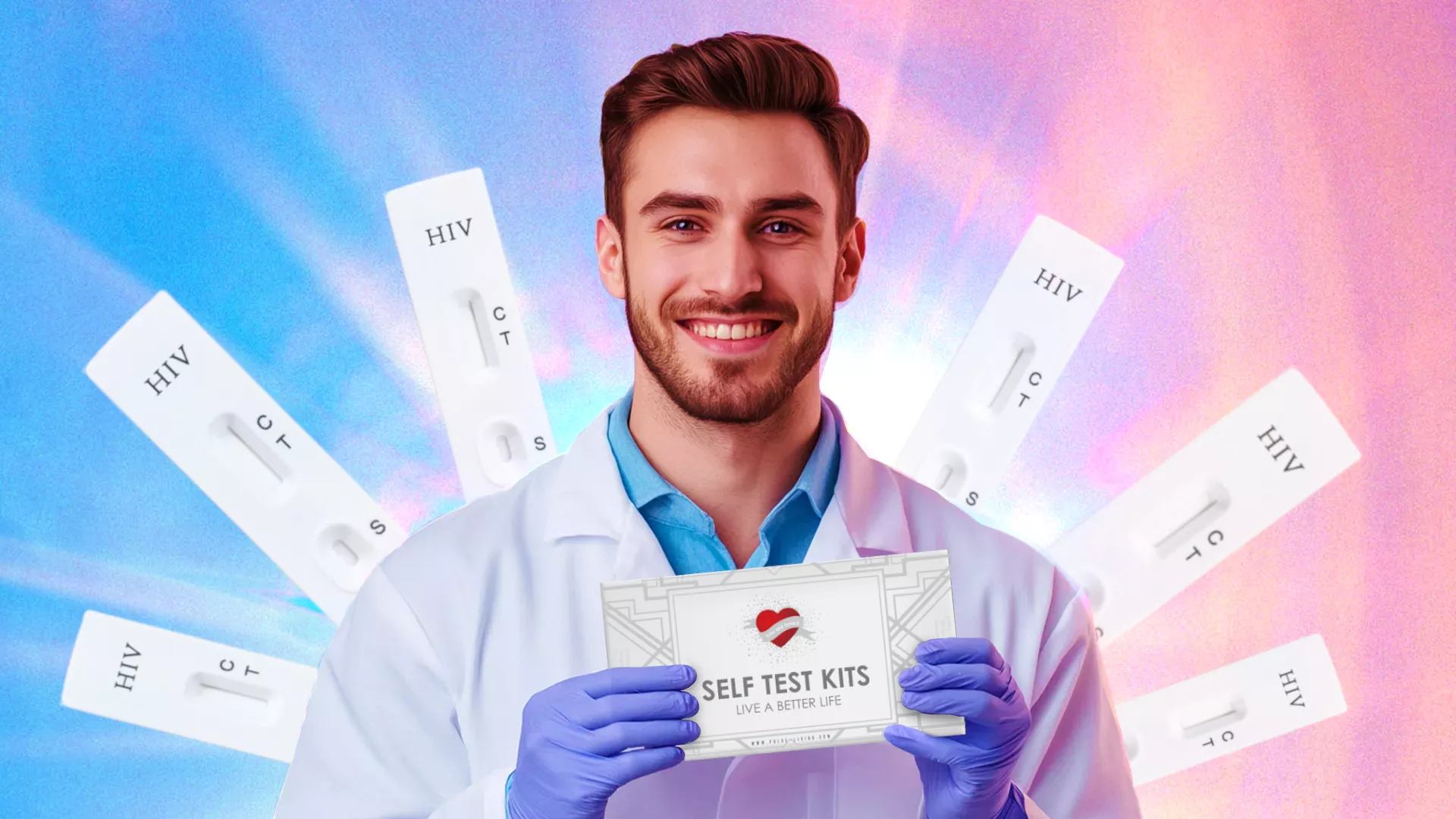

Ending AIDS by 2030 and Erasing Stigma | HIV Prevention & Care | PULSE CLINIC
2017
PULSE Clinic leads the fight against AIDS with advanced care and prevention, while breaking stigma through inclusivity, education, and advocacy.
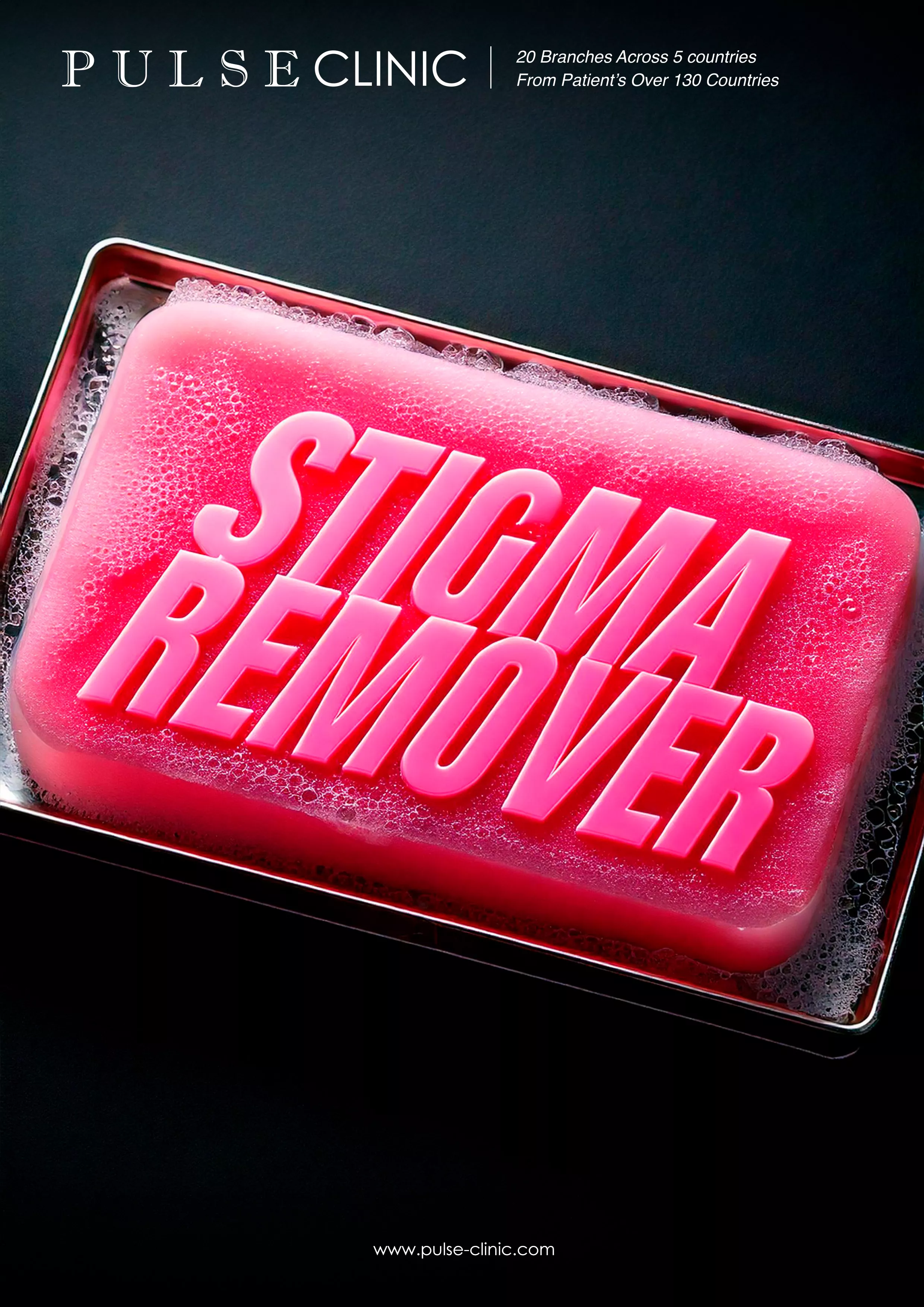
Ending AIDS by 2030 and Erasing Stigma: A Public Health Perspective
The global effort to end AIDS by 2030 represents one of the most important public health goals of our time. Over the past four decades, remarkable progress has been made in the prevention, diagnosis, and treatment of HIV (Human Immunodeficiency Virus). Today, HIV is a manageable long-term condition for many people. However, despite medical advances, stigma and misinformation continue to limit access to care and prevention.
Creating a future free from AIDS requires more than clinical innovation—it demands education, inclusivity, and a sustained commitment to reducing discrimination.
Contact PULSE Clinic for more information about HIV testing and PrEP options.

Contact us at info.bkk@pulse-clinic.com or chat on your preferred platform:



Understanding the Progress in HIV Care
Since the early 1980s, HIV has affected millions of people worldwide. Scientific breakthroughs, particularly the development of antiretroviral therapy (ART), have transformed outcomes for people living with HIV. With consistent treatment, individuals can achieve an undetectable viral load, meaning the virus cannot be transmitted sexually—a concept widely known as Undetectable = Untransmittable (U=U)
In addition to treatment, prevention strategies have evolved significantly. Regular testing, early diagnosis, and access to preventive medication now play a central role in reducing new infections.
The Role of Prevention in Ending AIDS
Prevention remains a cornerstone of global HIV strategies. Several evidence-based approaches help reduce transmission risk:
- Condom use: A reliable method for preventing both HIV and other sexually transmitted infections (STIs).
- Pre-exposure prophylaxis (PrEP): A preventive medication taken before potential exposure, shown to reduce the risk of HIV acquisition by up to 99% when used consistently.
- Post-exposure prophylaxis (PEP): Emergency medication taken within 72 hours after potential exposure.
- Regular testing: Early detection supports timely treatment and reduces onwards transmission.
These tools, when combined with education and awareness, significantly contribute to lowering infection rates.
Expanding Options: From Daily Pills to Long-Acting Prevention
Recent developments in HIV prevention have introduced more flexible options for individuals. While daily oral PrEP remains widely used, long-acting injectable forms of PrEP are emerging as an alternative for those who may find daily adherence challenging.
These innovations reflect a broader shift towards personalised healthcare—ensuring that prevention strategies are accessible, practical, and suited to diverse lifestyles.
Add us on Line and stay in touch.
Addressing Stigma: A Critical Barrier to Care
Despite clinical progress, stigma surrounding HIV persists in many communities. Misconceptions about transmission, fear of discrimination, and social judgement can discourage individuals from seeking testing or treatment.
Reducing stigma involves:
- Promoting accurate information about HIV transmission and prevention
- Encouraging open conversations about sexual health
- Creating inclusive healthcare environments where individuals feel safe and respected
- Supporting the rights and dignity of people living with HIV
Normalising HIV as a medical condition—not a moral issue—is essential to improving public health outcomes.
The Importance of Comprehensive Sexual Health Screening
HIV does not exist in isolation. Individuals at risk of HIV exposure may also be at risk for other STIs, including:
Routine screening supports early diagnosis and treatment, helping to prevent complications and reduce transmission within communities.
In some settings, additional preventive approaches—such as doxycycline post-exposure prophylaxis (DoxyPEP) for certain bacterial STIs—are being explored as part of a broader sexual health strategy.
A Collective Responsibility
Ending AIDS by 2030 is an ambitious but achievable goal. Success depends on a collective effort involving healthcare providers, communities, policymakers, and individuals.
Key actions include:
- Expanding access to testing and treatment
- Strengthening public health education
- Reducing stigma and discrimination
- Supporting innovation in prevention and care
Every step—whether it is getting tested, staying informed, or supporting inclusive healthcare—contributes to meaningful progress.
Moving Towards a Stigma-Free Future
Eliminating HIV is not only a medical challenge — it is a social one. Lasting progress depends on removing the stigma that keeps people from seeking help, ensuring that accurate information reaches everyone who needs it, and making treatment genuinely accessible regardless of who you are or where you come from.
At PULSE Clinic, we have seen first-hand how early access to the right medication — whether that is PEP taken within 72 hours of a high-risk exposure or PrEP as an ongoing preventive measure — can change outcomes entirely. The science is clear: with timely, evidence-based intervention, transmission can be prevented, and a healthy life is fully achievable.
No judgement. Only care!
We understand that reaching out about HIV can feel daunting. Our clinicians are trained not only in HIV medicine but also in creating a space where you feel respected, heard, and informed. Every consultation at PULSE is private, confidential, and led by professionals who genuinely care about your long-term wellbeing — not just the immediate concern.
Whether you have had a recent exposure, want to start PrEP, or simply need answers, we are here to help you take the next step with clarity and confidence.
Concerned about HIV or a recent exposure?
Talk to our medical team today — early action makes the biggest difference.
Contact us at info.bkk@pulse-clinic.com or chat on your preferred platform:
Trusted by over 100,000 patients from more than 196 countries and regions, PULSE CLINIC provides discreet, professional healthcare with privacy and respect at every step. Here to Help. Not to Judge!