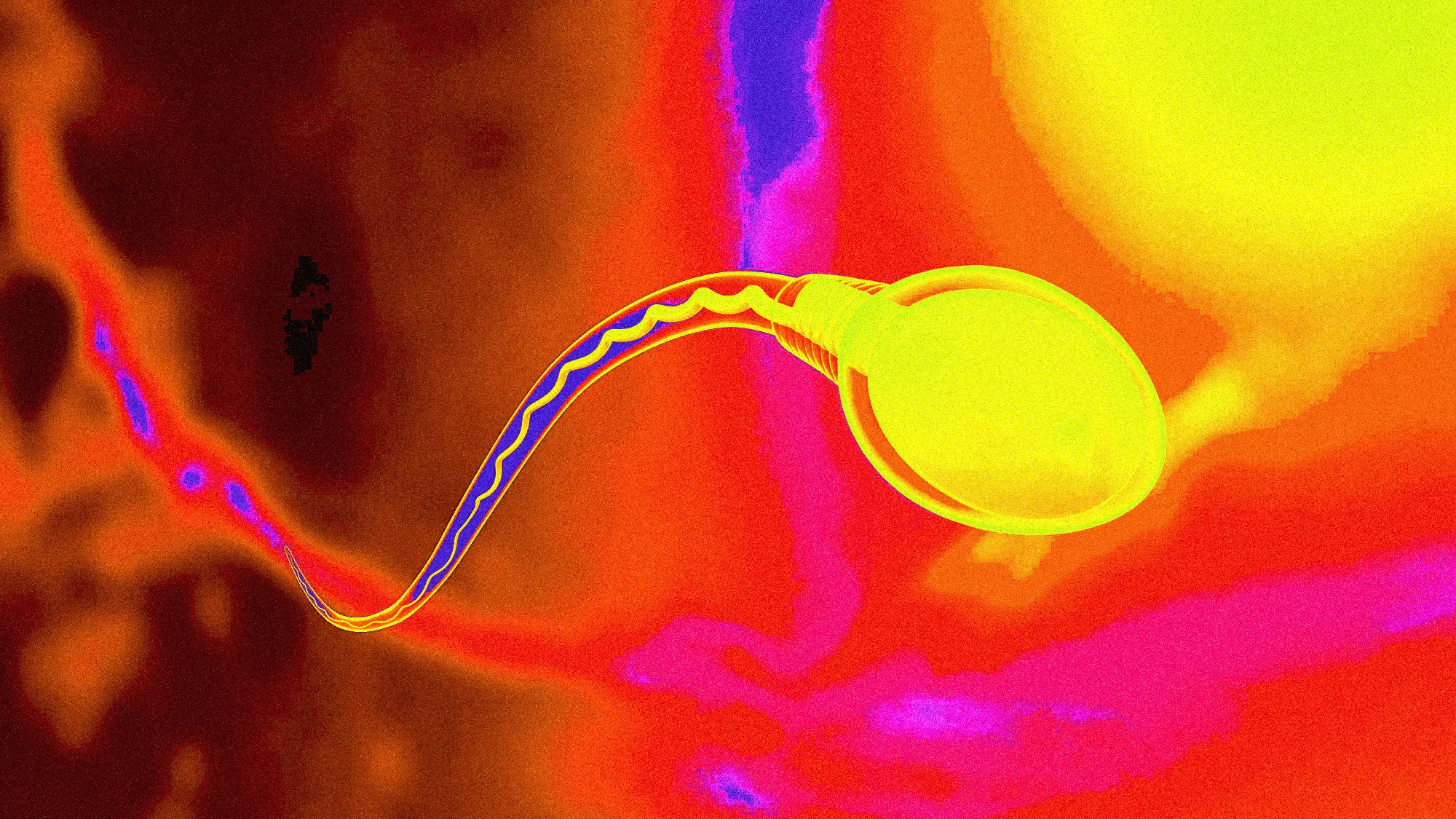

Nutrition to Improve Semen Health: Best Foods for Sperm
310
Boost sperm count, motility, and semen quality with essential nutrients. Discover the best superfoods to support male reproductive health.

Nutrition to Improve Semen Health: Best Foods for Sperm
What you eat can influence male fertility, including sperm count, motility, morphology (shape), and overall semen quality. Because it takes roughly 74 days for sperm to fully develop, adopting a nutrient-rich diet 2 to 3 months before trying to conceive may help support healthy sperm production.
Key Nutrients for Sperm Health
- Zinc — plays an important role in normal sperm production and reproductive health.
- L-Arginine — an amino acid that has been studied for its potential role in supporting semen volume and sperm concentration.
- Lycopene — an antioxidant found in tomatoes and other foods that has been studied for its potential role in sperm health.
- Omega-3 Fatty Acids — contribute to the health of sperm cell membranes and may support normal sperm motility.
- Vitamins C & E — antioxidants that help protect cells from oxidative stress, which may affect sperm quality.
Top Foods to Support Semen Quality
| Food | Primary Nutrients | Main Benefit |
| Oysters | Zinc, Selenium | Provides nutrients involved in normal sperm production and reproductive function |
| Tomatoes (cooked) | Lycopene | Provides lycopene, an antioxidant studied for its potential role in sperm health |
| Walnuts | Omega-3s, Vitamin E | Provides healthy fats that may support sperm quality and motility |
| Fatty Fish (Salmon) | Omega-3s, Vitamin D | Provides nutrients associated with reproductive health and healthy sperm-cell function |
| Bananas | Vitamin B6, Potassium | Supports normal energy metabolism and overall cell health |
| Dark Chocolate (70%+) | L-Arginine, Flavonoids | Provides antioxidants and L-arginine; best enjoyed in moderation |
| Eggs | High-quality Protein, Vitamin E | Supplies essential nutrients and protein needed for normal cell development |
| Berries & Citrus Fruits | Vitamin C, Antioxidants | Provides vitamin C and antioxidants that help protect cells from oxidative stress |
Note: Bananas are sometimes credited with containing bromelain, an enzyme said to support fertility – but bromelain is actually found in pineapples, not bananas. Bananas can still contribute to a balanced, fertility-friendly diet through nutrients such as vitamin B6 and potassium.
Critical Lifestyle Habits to Protect Sperm Health
1. Stay Consistently Hydrated
Semen contains a large amount of fluid, and adequate hydration may help maintain normal semen volume. Drink water regularly throughout the day rather than relying on large amounts of fluid at once.
2. Avoid Excess Heat Exposure
Try to avoid prolonged exposure to high temperatures around the testicles. This includes keeping laptops off your lap and limiting frequent use of hot tubs, saunas, and very hot baths. Elevated scrotal temperature can interfere with sperm production over time.
3. Avoid Tobacco and Limit Alcohol
Smoking and heavy alcohol consumption are associated with poorer sperm quality and may contribute to oxidative stress and sperm DNA damage. Avoiding tobacco and limiting alcohol are important steps towards protecting reproductive health.
Trusted by over 100,000 patients from more than 196 countries and regions, PULSE CLINIC provides discreet, professional healthcare with privacy and respect at every step. Here to Help. Not to Judge!
Putting It All Together
A realistic weekly approach might include oily fish two to three times a week, a small handful of nuts or seeds daily, plenty of colourful fruits and vegetables, and eggs or lean protein as regular staples. Pair these dietary habits with adequate hydration, sensible heat avoidance, avoiding tobacco, and limiting alcohol.
Remember that these changes do not work overnight. Because sperm take around 74 days to develop, improvements in diet and lifestyle may take 2 to 3 months to be reflected in sperm quality or a semen analysis.
If you'd like to know more about your current sperm health, PULSE Clinic offers confidential semen analysis and fertility consultations to help you understand your results and discuss appropriate next steps.
Sperm Analysis Price List
*Prices are in Thai Baht (THB)
| Laboratory Testing | Same Day Result | Next Day Result | 3-Day Result |
| Sperm Analysis (Sperm Count) | 3,500 | 2,200 | 1,400 |
| Sperm Analysis and 14 STD tests for IVF (Sperm count and sperm STD Test with PCR technology, the most advanced technology to detect infections) | 13,500 | 11,200 | 9,400 |
| Sperm Analysis and 28 STD tests for IVF (Sperm count and sperm STD Test with PCR technology, the most advanced technology to detect infections) | 23,500 | 20,200 | 18,400 |
Take Control of Your Fertility Today!

Contact us at info.bkk@pulse-clinic.com or chat on your preferred platform:



Frequently Asked Questions
What is the single best food for sperm health?
There isn't one "best" food for sperm health. A balanced diet that provides a variety of nutrients, including zinc, antioxidants, healthy fats, and vitamins, is more important than relying on any single food. Oysters, walnuts, oily fish, eggs, fruits, and vegetables are all nutritious options.
Do bananas really contain bromelain for fertility?
No — this is a common misconception. Bromelain is found in pineapple, not bananas. Bananas can still be part of a balanced diet because they provide nutrients such as vitamin B6 and potassium.
How long before diet changes affect sperm count?
Sperm take around 74 days to develop, so changes in diet and lifestyle may take approximately 2 to 3 months to be reflected in sperm quality. If you're trying to conceive or concerned about fertility, a healthcare professional can advise when semen analysis may be appropriate.
Can hydration really affect semen volume?
Adequate hydration may help maintain normal semen volume because semen contains a substantial amount of fluid. Staying consistently hydrated throughout the day is a simple part of maintaining overall reproductive health.
Add us on Line and stay in touch.